一夜の蝶

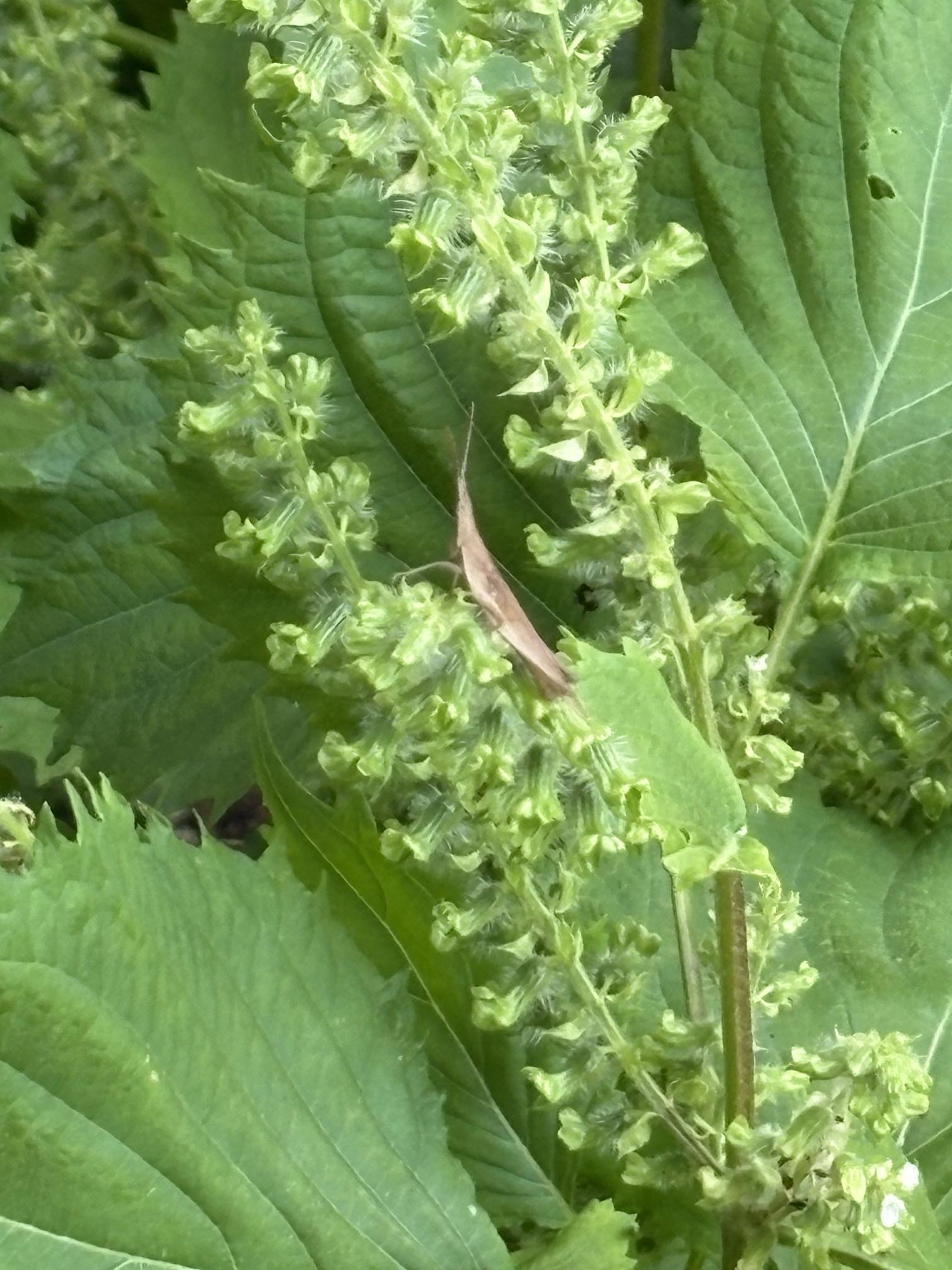
Last night, while checking on the vegetables on the porch, I noticed a swallowtail butterfly bumping against the window, as though trying to peer inside.

So butterflies do the same thing moths do, I thought, rather impressed.

“Want to come in? Hmm?” I held out my hand, and it climbed right on.

For a moment, a thought crossed my mind: How much longer does this little fellow have?

“Well then, coming in?” I opened the door. It flew in, fluttering around the long fluorescent-light cover.

I went downstairs to get my camera. When I came back, it was gone.

And then, to my surprise, I heard myself calling, “Butterfly? Butterfly?” And in such a sad voice, too. I was worried. What if it died because I had let it inside?

There I was, actually searching for it, calling, “Butterfly? Butterfly?” Not singing the song. Really calling for it.

Then I found it—on the ceiling.

“How do you manage to hang there upside down like that?” It opened and closed its wings a few times, then folded them and became perfectly still.

“Spending the night here, are you?” I left the light on and went downstairs.

Tomorrow, I must remember to let it out.

Could this be the same swallowtail that perched on the cucumber plant on my birthday?

I stuck a Post-it on my phone with one word written on it: BUTTERFLY.   

                      *******

The next morning I went upstairs and there it was, fluttering its wings by the door. It remembered the way it had got in.

“Want to get out, don’t you?” I opened the door and out it flew. I got out, stood on the porch and saw it vanish behind the house.     

A Winged Visitor in the Night

夜ベランダで野菜のチェック中、アゲハが1羽、窓から中をのぞき込むようにガラスに体をぶつけている。蝶も蛾と同じことをするのだなと感じ入りつつ、中へ入りたいか、どう、と手を差し伸べると乗ってくる。一瞬、余命いくばく?と思う。さ、入る? とドアを開けると、中に入って、長い蛍光灯のカバーのまわりを舞う。カメラを取りに下へ行き、戻るといない。なんと、チョウチョ、チョウチョと、自分がアゲハを呼んでいる。それも悲しそうな声で。中に入れたために死んでしまったらどうしようと心配しているのだ。驚いた、チョウチョ、チョウチョと探している。唄うのではなくて。
 天井にいた。逆さになってよく停まれるね。すこし羽を開閉し、閉じて動かなくなった。ここでお泊まりか。明かりをつけたまま、階下へ。明日忘れずに外に出すぞ。あれは、誕生日にキュウリに停まっていたアゲハかな。
 携帯に「蝶」と書いたポストイットを貼って、お休みなさい。

不便な団子の勝ち方

知人より拝領したお団子。保存料などナシで実に自然な美味。
そして、添えられた栞の出だしが

と小劇的、基い、衝撃的。ルースに英語なら

  Our Kogane Dango dumplings last for only one day.
  This makes them unsuitable as a gift and we are so sorry for the inconvenience.
  Process changes could extend the shelf life, but…

 このあと美事な社是が展開します。

 英国の戯曲She Stoops to Conquer 『負けるが勝ち』から生まれたのが

  stoop to conquer 「身をかがめて勝利する・負かす、負けて勝つ」

というイディオムですが、まさにこの団子製造元のキャッチは

  They stoop to conquer.

と言えるかもしれません。団子一徹、団子たる姿勢。ごちそうさまでした。

It not the heat, it’s the ______!

暑さと、それに勝る失敬なほどの湿気の中で使われるこの決まり文句の空所には

  humidity(湿気)

が入ります。「ひどいのは暑さというより湿気だわ・だね・だぜ・ですね」。

 暑い中、蚊に刺されやすい首回りを囲む手ぬぐいを探しに出かけた。

20代に教わったウチノのタオルはなかったが、このキャッチ、最後の2行がなんとも楽しい。英語なら

 Use this towel over and over again till it’s all worn out. And if it ends its life as a cleaning rag, nothing would make us happier!

熱っぽく威張らず、ユーモラスな謙遜(humility)の響き。上の決まり文句をひねって、

  It’s not the heat, it’s the humility!

というわけで、このキャッチに惹かれて4本4色購入!

マルカジーリャベランダーノインサラータ

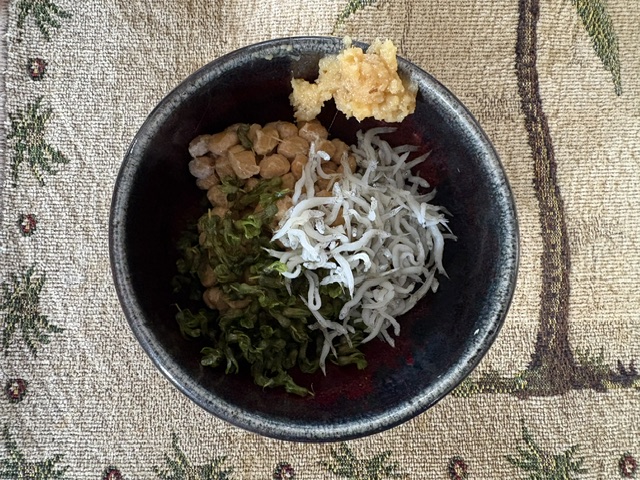
基本的に怠け者で、近年その傾向が強まり、出来るだけ面倒なことを省き、そのままの味を、という”形”でやっている。ベランダの野菜は不揃いだが、農薬を使わないので、白味噌をつけてガブリ。味噌がなければ猿のよう。一応洗いますが、それは猿もするか。
一年中これができれば理想だが、それは無理想だ

怠け者は氾濫する伊語の料理名がよくわからず、タイトルで憂さ晴らしをさせてもらったが、この皿、強いて英語風に名付ければBig-bite Veranda Saladかな

Tomatoes are pretty much over,
Cucumbers are till September.
Just don’t know about green peppers,
But eggplants may stay a little longer.

Is this cooked?

タイトルは、これ茹でてある? 火が通ってる? 調理済み? という意味の表現です。

しっかり火が通ってる」ということはcooked throughで

  These nikujaga potatoes aren’t cooked through.

と表せます。ちなみに、home-cookedは「家庭料理の」という意味で、例えば10日の出張が終わり手作り味の食事がしたいのなら、

  I was on the road for ten days and now I’ve got to have a meal that tastes home-cooked.

 このcookedが、激動の現代では、「終わってる」「詰んでる」という意味でも、よく使われています。 たとえば、スーパープレーヤーCatlyn Clarkの出現以来、大荒れに荒れている全米女子プロバスケットボール協会の現状を

  WNBA is cooked.

といったら言い過ぎになるかな? ならんでしょう! 反則やミスジャッジばかり見せてどうする! 協会はちゃんとせんと!(怒) とまあ、これは色々な分野に応用が利きます。参考に、

 Their goose is cooked.

と言えば、彼ら(ある人々・組織)の計画・存在・将来・目論見などは終わったという意味。あの家禽の代表である鳥が”つぶされた”、もういないというニュアンス。ガチョウがガチョ~ン! ♪目の前が暗くなる

人類、月、地球

駅ビル内のある店でビックリ大特価セール! 商品を見て思わず口がWhere?の形になる

それはMan goes--where?という質問のwhereだ。

月面のアストロノートのことばを音声で聞くと、That’s one small step for man, one giant leap for mankind.と聞こえる。manもmankindも「人類」のことだから、「今のは人類にとっては小さな一歩、人類にとっては巨大な跳躍」となる。

引用辞典などでは、Actually, it was….という気持ちを込めて

  That’s one small step for [a] man, one giant leap for mankind.

と、aを括弧付きで加えてある。これだと「今のは一人の男にとっては小さな一歩、人類にとっては巨大な跳躍[という意図です]」となる。1969年、世界の同時通訳者たちも一瞬困ったに違いない。

 ただ、aのない引用も多く出回っている。単なるアストロノートのミスと取るか、豪腕に月からの音声不良と解釈するか。ネット上に散見できるので、一度チェックされるのも一興かと。

 という訳で、a(やthe)のないmanには「人類」の意味がある。ジェンダーニュートラルの観点から、manやmanで始まるmankindをやめて、humankindで行こうという考え方もある。

 月は置いといて、manは今どこへ。manが壊していく地球のどこに行きましょう、どこで生きましょう。

\\\\