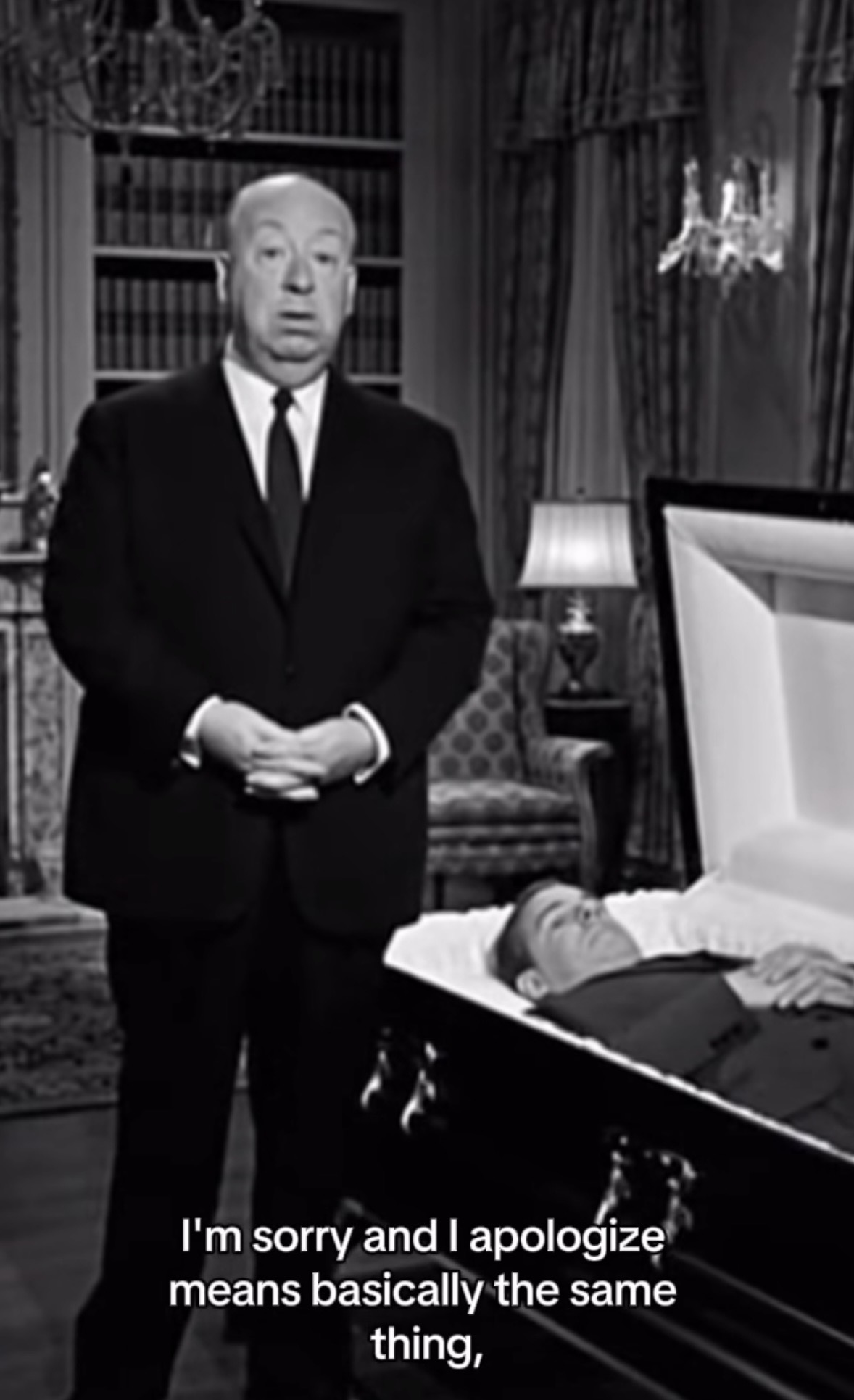
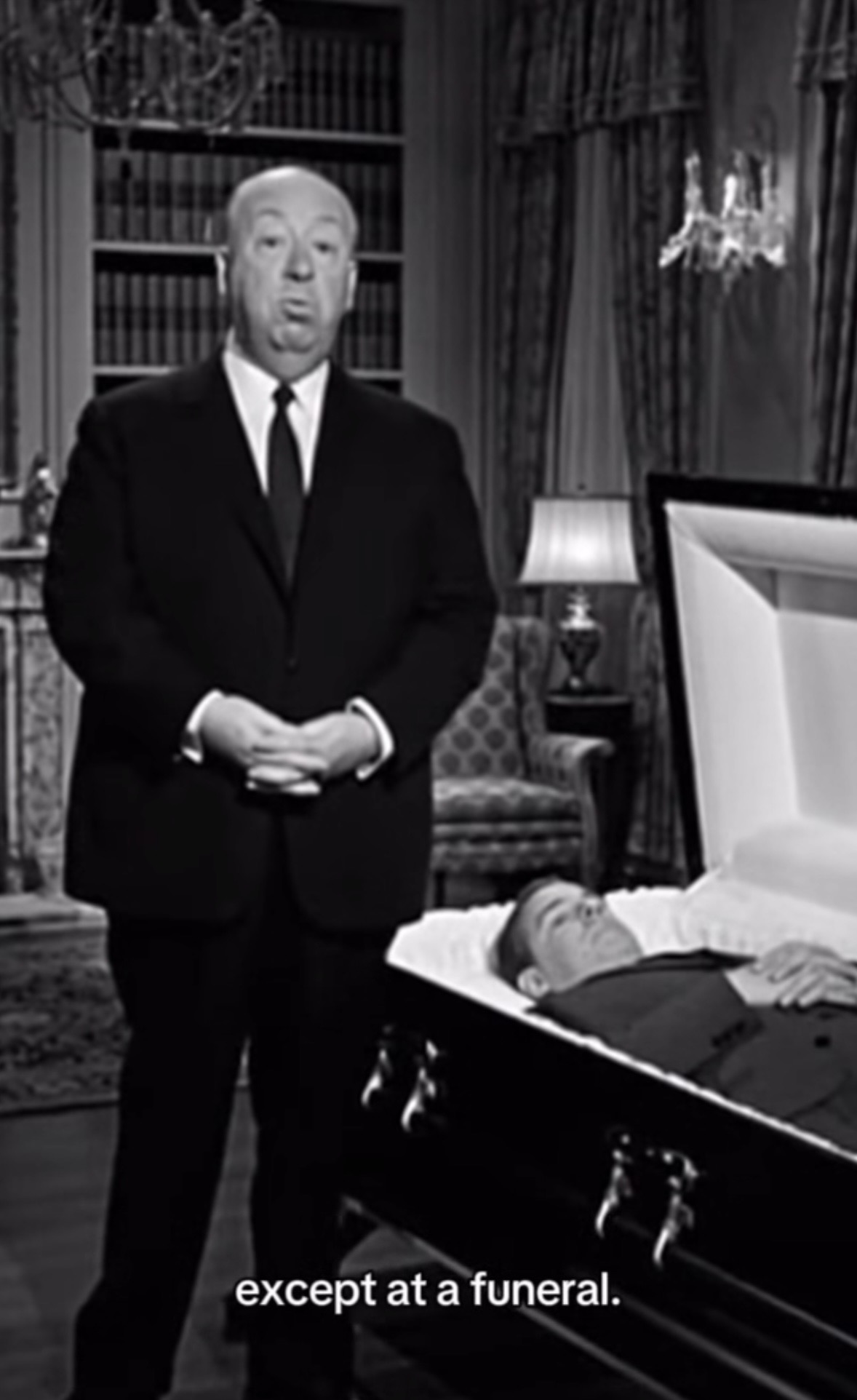
English-speaking countriesをかしこまって言うとタイトルの「アングロスフィァ」「英語圏」になる。Angloはイギリスという意味があり、そこから豪州、カナダへとイメージは広がるが、USAの気配がない。で、Anglo-Americansphereとするのがフェアかもしれないが、それはそうとして、その英語圏がこのところ大揺れしている。これはSNSからの画像で、ある見方からの報道だが。


先日のダヴォス会議で米大統領がヨーロッパの都市を、unrecognizable「(以前は・・・だということが)まるで分からない」と呼んだ。UKにも当てはまるのかなぁ。国は残るとしても、英語文化がこのまま無くなるのかなぁ。
そこで、ぼくたちは、貴拙ブログご訪問者は言うまでもなく、これまでに”貯まった”英語知識や体験を、取りあえず自分の中に作っておきましょう。雑学、博学、浅学、晩学を問わず、点数以外のあれこれを集荷して脳やハートに何はともあれデリバリー。こうしておけば本当に無くなってもですね(said half-jokingly)、少なくとも自分の英語圏は残る。私の場合は英語KENが。

They are now in the process of building their own Anglo-American spheres and Japanese spheres as well. Stay free as can be, you two.